Beyond Pocket Change: The Stories and Symbolism of Collectible, Challenge, and Sobriety Coins
Coins rarely stay just coins for long. A quarter buys a parking meter’s worth of time, but a carefully kept coin can hold a story, a milestone, a unit, a memory, or an entire identity. That is why collectible coins, challenge coins, and sobriety coins occupy such a fascinating corner of the hobby world. They are small enough to fit in a palm, yet they carry outsized meaning. Some are valued for rarity and condition; others are treasured because they were handed over in a moment of recognition, commitment, or quiet courage. Understanding these three coin traditions opens a door into a collecting culture that is part history, part community, and part personal ritual.
Collectible Coins: History You Can Hold
Collectible coins, often grouped under the banner of numismatics, appeal to people who love history, artistry, and the thrill of the hunt. A collector might chase a key date from a short-lived mint run, a beautifully toned silver dollar, or a commemorative issue that marks a national anniversary. The appeal is not only financial. Each coin is a physical record of its era: the metals available, the technology used, the political figures honored, and the everyday commerce that wore its surface smooth.
Condition matters enormously in this field. Grading scales help buyers and sellers communicate about wear, surface quality, and eye appeal, but many collectors also follow their own instincts. A coin with a fascinating provenance—perhaps it belonged to a famous collection or traveled through an unusual period—can be more compelling than a technically perfect example. Beginners often do well to choose a theme: a country, a denomination, a historical period, or a design series. A focused collection is easier to study, display, and enjoy than a random pile of interesting finds.
Challenge Coins: A Handshake You Can Hold
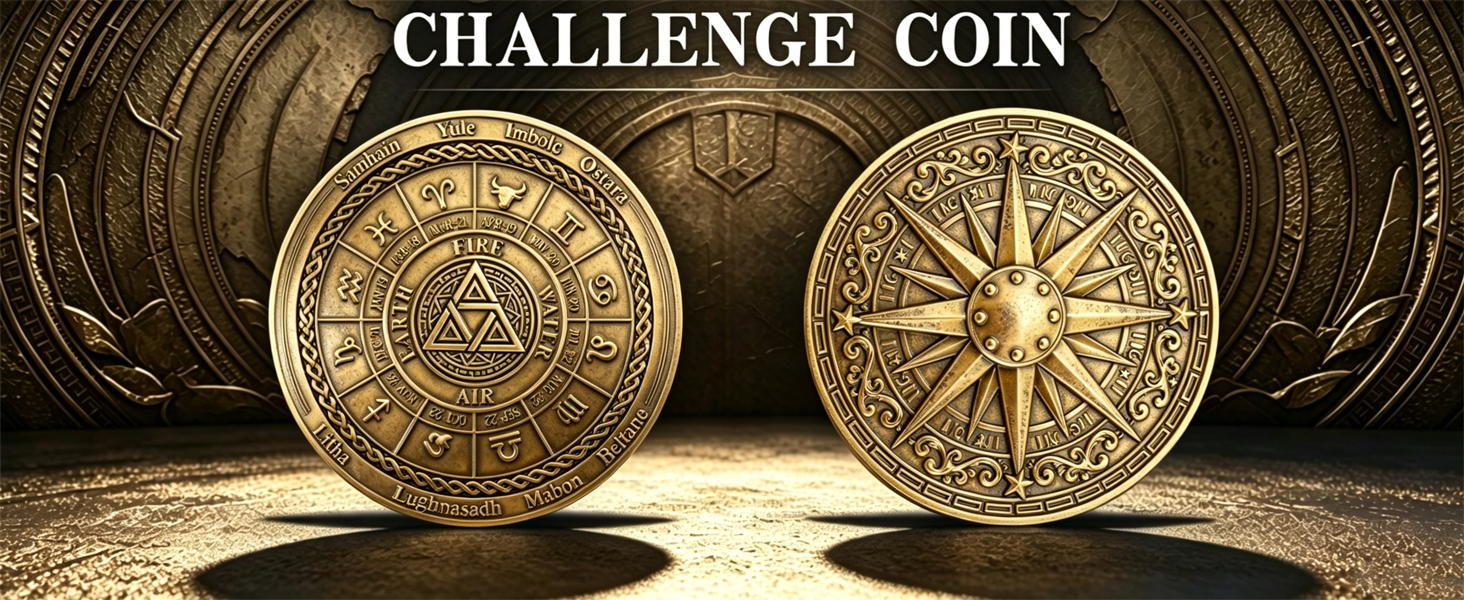
Challenge coins carry a different kind of gravity. Often associated with military units, first responders, and close-knit organizations, these coins are tokens of membership and recognition. The classic story involves a service member who kept a unit coin in a pocket or pouch; when challenged to produce it, the person who could not do so might owe a round of drinks. Whether the tale is tall or true in every detail, the custom endures because the coin is a portable symbol of belonging.
Modern challenge coins are incredibly varied. They may feature a unit crest, a squadron motto, a deployment date, a police badge, a fire department emblem, or a memorial tribute. Collectors are drawn to their craftsmanship—raised relief, enamel color, custom shapes, edge lettering, and serialized editions—as much as to their stories. Many people collect only the coins they personally receive, which makes the collection a kind of autobiography. Others trade and hunt for rare unit issues, commemorative conventions, or coins tied to significant operations and events.
Sobriety Coins: Milestones Made Tangible
Sobriety coins, sometimes called sobriety tokens or recovery medallions, serve a quieter but equally powerful purpose. They mark days, months, and years of recovery from addiction. A coin for thirty days, one year, five years, or several decades can be a deeply emotional object. It is not simply a reward; it is a reminder of a decision made repeatedly, one day at a time. For many people in recovery, receiving or giving such a coin is a ritual of acknowledgment, hope, and shared strength.
A sobriety coin is small enough to carry and heavy enough to matter. It turns an invisible milestone into something the hand can confirm.
These coins often feature inspirational phrases, serenity prayers, anniversary dates, or symbols of renewal. Collectors may seek older tokens, specific anniversary designs, or coins from particular recovery communities. But even outside formal collecting, a sobriety coin is often kept in a wallet, on a desk, or in a display case as a private anchor. Its value is rarely measured in resale dollars. It is measured in endurance.
What Makes a Coin Collectible?
Across all three categories, several factors shape desirability. Rarity still matters, whether a coin was produced in a limited run or survives in small numbers. Condition matters too, especially for older collectible coins, where scratches, cleaning, and wear can dramatically affect value. Provenance adds narrative depth: who owned it, where it was issued, and what event it commemorates. Design and craftsmanship draw in visual collectors, while emotional connection often overrides market logic entirely. A coin that reminds someone of a hard-won achievement may be priceless to that person and modest to everyone else—and that is part of the beauty of the hobby.
Display, Storage, and Care
Proper care keeps a collection enjoyable for years. Handle valuable coins by the edges, since fingerprints and skin oils can damage surfaces over time. Use archival-safe holders, capsules, or albums designed for coins, and avoid humid basements or hot attics. Challenge coins and sobriety coins can be displayed in felt-lined trays, shadow boxes, or rotating stands, but keep them away from direct sunlight if color enamel or surface finishes are important. Document what you can: dates, issuers, stories, and acquisition details. A simple inventory list or digital photo log adds meaning and helps with insurance or future trades.
Building a Thoughtful Collection
Start with a theme that genuinely interests you rather than what someone else says is valuable. Research before spending, ask questions in collector communities, and buy from reputable sources. Set a budget, learn to recognize common fakes and altered coins, and remember that patience often leads to better finds than impulse. Most importantly, let the collection reflect your own story. A display might combine a rare numismatic piece, a challenge coin from a memorable unit, and a sobriety medallion from a significant anniversary. Together, they tell a richer story than any single coin could.
Collectible coins, challenge coins, and sobriety coins may look similar at first glance—small metal discs with designs and lettering. But each belongs to a different language of value. One speaks of history and craftsmanship, another of loyalty and recognition, and another of recovery and resilience. Whether you collect for rarity, community, or personal meaning, these coins prove that the smallest objects can carry the largest stories.