Wudu Nail Rings and Covers: A Practical Guide to Clean, Confident Ablution
For many Muslims, wudu is more than a routine. It is a moment of cleanliness, mindfulness, and preparation for prayer. Yet everyday accessories—rings, nail polish, long nails, and decorative nail pieces—can make it harder to ensure that water reaches the skin and nails properly. This is where wudu nail rings, nail rings for wudu, and wudu nail covers enter the conversation. These small accessories are designed to make nail care and ablution easier to manage, but they must be used with care and a clear understanding of their purpose.
Quick note: Wudu nail rings and covers are helpful accessories, not shortcuts. Water must still reach the nail and surrounding skin according to your school of thought. If you are unsure, consult a qualified religious scholar.
What Are Wudu Nail Rings and Covers?
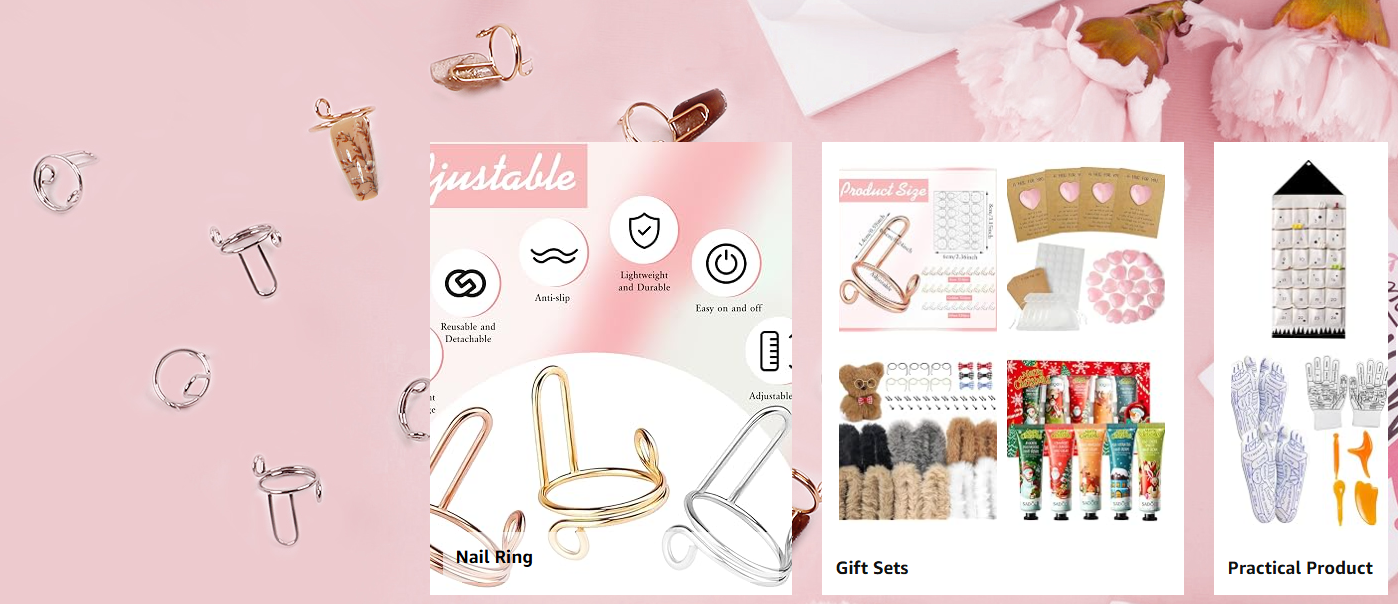
Wudu nail rings are small, reusable accessories that fit over or around the fingernail. Some designs look like delicate open rings, while others resemble soft covers or snap-on shields. Wudu nail covers are often made from flexible silicone, soft plastic, or smooth metal. Their purpose is usually practical: to protect nails during daily tasks, keep decorative nail pieces secure, or provide a temporary cover that is easy to remove before ablution.
Unlike fashion nail jewelry, which may be worn for long periods, wudu-focused nail rings are typically designed for short-term use. They should be comfortable, easy to clean, and simple to take off. Most importantly, they should not create a waterproof barrier over the nail if they are being used during wudu. A product that traps water or prevents it from reaching the nail bed may defeat the purpose of ablution.
How They Fit Into a Wudu Routine
A sensible routine keeps the focus on cleanliness rather than complication. Start with clean hands and remove any tight or non-water-friendly accessories. If you use wudu nail covers, check that they are loose enough to allow water to pass and that they do not cover the nail in a way that blocks water. Many users prefer to remove nail rings or covers before wudu and wear them again afterward for protection or decoration.
- Check the fit: The accessory should sit comfortably without pinching the nail or skin.
- Confirm water access: If the item stays on during wudu, water must still reach the nail and skin.
- Clean before and after: Rinse and dry the item according to the manufacturer’s instructions.
- Remove when needed: If water cannot pass, take the ring or cover off before performing wudu.
Materials and Design Choices
The best material depends on your lifestyle and skin sensitivity. Soft silicone is gentle and flexible, making it a popular choice for short wear. Stainless steel or smooth metal rings can be durable and easy to clean, but they must not be too tight. Flexible polymer covers may be lightweight, but check for rough edges and trapped moisture. Whatever the design, look for smooth edges, breathable openings, and a secure but removable fit.
| Material | Best For | Keep in Mind |
|---|---|---|
| Soft silicone | Comfort and flexibility | Dry fully to avoid moisture buildup |
| Stainless steel | Durability and easy cleaning | Ensure it is not too tight |
| Flexible polymer | Lightweight temporary covers | Inspect for cracks and rough edges |
Choosing the Right Fit
A good wudu nail ring should feel almost invisible when worn correctly. It should not slide off easily, yet it should never press into the nail or skin. Before buying, consider the size of your nails, the length of your fingers, and whether you need a unisex or more decorative style. If you have sensitive skin, choose hypoallergenic materials and avoid rough seams.
- Smooth edges that will not catch on clothing or skin.
- Easy removal so the accessory does not interfere with wudu.
- Water-friendly design or the ability to remove it before ablution.
- Simple cleaning with mild soap and water.
- Comfortable sizing for daily or occasional wear.
Hygiene and Care
Because nail rings and covers sit close to the skin, hygiene matters. Clean them after each use, dry them completely, and store them in a small ventilated case. Avoid sharing personal nail accessories. Check regularly for cracks, discoloration, or loose edges. If a cover becomes damaged, replace it—small cracks can trap moisture and make the accessory uncomfortable or unhygienic.
“Cleanliness is part of comfort.” A wudu nail cover should support your routine, not add worry. If an accessory feels tight, traps water, or makes ablution doubtful, it is better to remove it.
Common Questions and Misconceptions
Do wudu nail rings replace the need for water to reach the nails? No. They are accessories, not a substitute for valid ablution. Water must reach the required areas according to your religious guidance.
Can they be worn with nail polish? That depends on the product and your school of thought. If a cover or ring prevents water from reaching the nail, it should be removed before wudu. Breathable nail polish is a separate topic and should be researched carefully.
Are they only for women? Not necessarily. Many designs are unisex or practical rather than decorative. The key is comfort, cleanliness, and water access.
Final Thoughts
Wudu nail rings, nail rings for wudu, and wudu nail covers can be useful additions to a thoughtful nail-care routine. They offer convenience, protection, and a sense of confidence when chosen and used correctly. The best product is not the most decorative one; it is the one that fits well, cleans easily, and respects the requirements of wudu. Keep the focus on cleanliness, comfort, and clarity—and your routine will remain simple, confident, and grounded.