Creating a Calm, Clutter-Free Nursery: A Practical Guide to Bottle Organization
When a new baby arrives, the nursery can turn from a peaceful retreat into a maze of bottles, nipples, formula scoops, and drying racks. The challenge is not having enough gear—it’s giving that gear a clear home. A calm feeding routine starts with a simple promise: everything you need should be easy to reach, easy to clean, and easy to put away. The ideas below will help you build a system that works for real life, not just for a picture-perfect shelf.
Start With a Dedicated Bottle Station
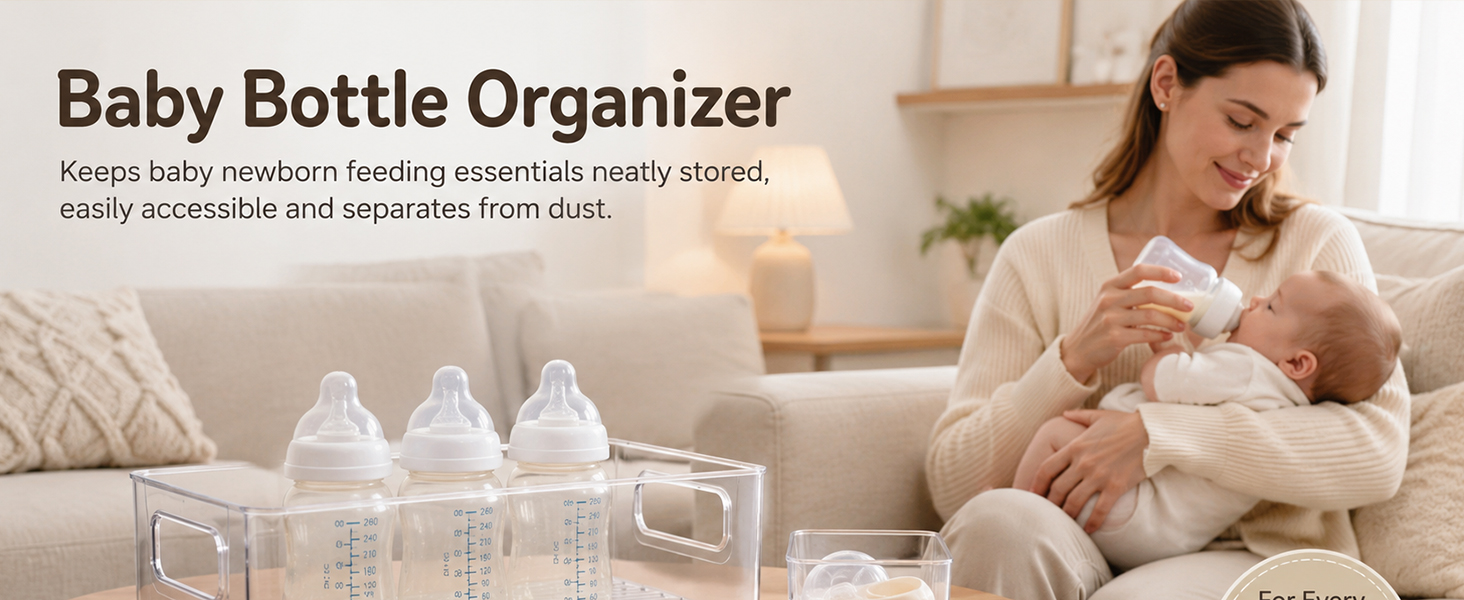
Instead of scattering feeding supplies across the kitchen and nursery, create one small, intentional zone. A well-designed Baby bottle organizer can hold clean bottles upright, separate nipples and caps, and keep daily essentials from rolling into drawers. Choose a spot near the sink or bottle warmer, then stock it with only what you use every day. Extra parts can live in a labeled bin nearby. This reduces decision fatigue during night feeds and makes cleanup faster.
A good rule of thumb: if you have to move more than two items to reach a bottle at 2 a.m., the setup needs simplifying.
Design Storage Around Your Daily Rhythm
Every family has a different feeding schedule, so let your routine shape the layout. A practical Baby bottle storage plan might include a countertop rack for drying, a drawer divider for spare parts, and a small caddy for travel. Keep clean and dirty items visually separate—color-coded bins or two trays can help. If you pump, designate a shelf for pump parts and bags so they don’t mix with feeding bottles. The goal is a loop: wash, dry, assemble, store, repeat.
- Use vertical space: stackable bins and narrow racks make the most of small counters.
- Label the landing zones: “clean,” “drying,” and “ready to go” reduce guesswork for caregivers.
- Keep a travel kit ready: a zip pouch with a bottle, nipple, and burp cloth can save you during outings.
- Edit often: remove outgrown nipples and unused accessories every few weeks.
The Five-Minute Evening Reset
A nursery does not need to be perfect, but it does need a reset point. Before bed, spend five minutes collecting empty bottles, matching caps, and wiping the station. This tiny habit prevents morning chaos and makes the next feeding less stressful. If multiple caregivers help, leave a simple checklist on the counter. Consistency matters more than elaborate storage containers.
Choose Gear That Earns Its Space
Nursery shelves fill up quickly, so be selective. Look for items that are easy to clean, dishwasher-safe, and sized for your actual bottles. When comparing Baby products, ask three questions: Does it solve a daily problem? Can it be cleaned without fuss? Will it still be useful in three months? A simple organizer often beats a complicated gadget because it is easier to maintain. Prioritize flexibility, too—adjustable dividers and open bins can adapt as your baby’s feeding needs change.
Keep Safety and Simplicity in View
Place storage where it is easy to see but hard for a crawling baby to reach. Keep small parts such as caps and valves in closed bins, and never store cleaning supplies beside feeding gear. Avoid overcrowding: if a drawer barely closes, it is time to downsize. A clear, uncluttered station also makes it easier to notice worn nipples or damaged bottles that should be replaced.
Build a System You Can Maintain
The best nursery organization is the kind you can keep up with on a tired Tuesday. Start small: one tray, one bin, one labeled shelf. Add a second zone only when the first one works. Let the setup evolve with your baby’s age and your family’s schedule. With a dedicated feeding station, thoughtful storage, and a quick daily reset, you can spend less time searching for supplies and more time enjoying the quiet moments that matter.