Fluid Extractor, Oil Extractor Pump, and Fluid Transfer Pump: A Practical Guide to Cleaner, Faster Maintenance
Whether you are changing oil in a home garage, servicing a fleet, or moving coolant between machines, the right extraction and transfer equipment can turn a messy job into a controlled process. A fluid extractor, oil extractor pump, and fluid transfer pump may look similar at first glance, but each tool is designed for a specific kind of job. Understanding the differences helps you work faster, spill less, and protect the equipment you service.
Why These Tools Belong in Every Toolkit
Maintenance work rarely happens in perfect conditions. Drain plugs strip, drain pans overflow, and used oil has to go somewhere without contaminating the floor. A quality extraction or transfer pump gives you control over the flow. Instead of relying on gravity and a shallow pan, you can pull fluid directly from a reservoir, move it into a sealed container, and keep the work area clean. For mechanics, fleet operators, and serious DIY users, that control saves time and reduces cleanup.
Fluid Extractor: The No-Mess Workhorse
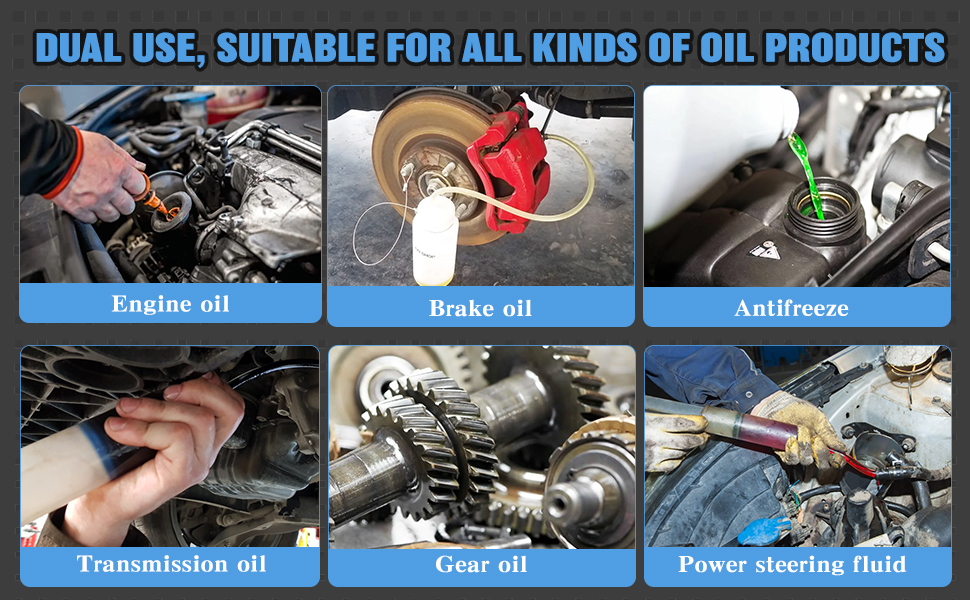
A fluid extractor is built to remove liquids from places where conventional draining is difficult. It typically uses a manual vacuum pump or an air-powered venturi system to create suction, pulling fluid through a hose and into a holding tank. This makes it useful for brake fluid, transmission fluid, coolant, power steering fluid, and even contaminated oil. The best models include clear hoses, secure caps, and a pour spout that lets you empty the tank without splashing.
“The real value of an extractor is not just suction—it is containment. You pull the fluid out, keep it in one place, and dispose of it responsibly.”
Oil Extractor Pump: Precision for Engine Oil Changes
An oil extractor pump is a specialized version of the fluid extractor, optimized for engine oil. It is especially useful on engines with top-mounted oil filters or dipstick tubes that allow easy access to the sump. Instead of crawling under the vehicle, you insert the extraction tube, build vacuum, and watch the oil flow into the tank. When used correctly, this method can be cleaner and faster than a traditional drain plug service.
Key benefits
- Less under-car time: ideal for low-clearance vehicles and bad weather.
- Cleaner disposal: used oil stays in the extractor until you transfer it to a recycling container.
- Reduced mess: no drain pan to tip, splash, or clean.
- Repeatable results: marked tanks and firm hose seals help you measure what comes out.
Keep in mind that an oil extractor pump works best when the oil is warm, not hot. A warm engine helps the oil flow, but scalding oil can damage hoses and create a burn risk. Always follow the manufacturer’s instructions and confirm that your vehicle’s design is suitable for extraction.
Fluid Transfer Pump: Beyond Oil Changes
A fluid transfer pump is the most versatile member of the family. It moves fluid from one container to another when gravity is not practical. You might use one to refill a differential, move diesel from a storage drum, transfer coolant, or empty a parts washer. Manual rotary pumps, lever-action pumps, and electric transfer pumps all serve different volumes and viscosities. The right choice depends on how often you work, how far the fluid must travel, and whether you need metered flow.
How to Choose the Right Pump
Start with the fluid. Oil, coolant, brake fluid, and diesel have different viscosities and compatibility requirements. Next, consider capacity: a small extractor may be perfect for a motorcycle, while a fleet shop may need a larger tank and faster flow. Check hose diameter, seal material, and whether the pump is designed for flammable or corrosive liquids. Finally, think about cleanup. Smooth tanks, wide openings, and replaceable hoses make maintenance much easier.
Safety and Maintenance Tips
- Label containers clearly. Never mix used oil with coolant or brake fluid.
- Inspect hoses before every use. Cracks and loose fittings cause spills.
- Do not overfill the tank. Leave room for foam and expansion.
- Clean the pump after use. Flush according to the manufacturer’s instructions, especially after corrosive fluids.
- Store safely. Keep hoses coiled, caps sealed, and the unit out of reach of children.
Final Takeaway
A fluid extractor, oil extractor pump, and fluid transfer pump each solve a different part of the maintenance puzzle. The extractor handles messy removal, the oil extractor pump makes engine oil changes cleaner, and the transfer pump keeps fluids moving without spills. Choose tools that match your fluids, volume, and workflow, then maintain them properly. With the right setup, routine service becomes faster, safer, and far less messy.