Paper Mache Eggs: The Ultimate Canvas for Creative Easter Crafts
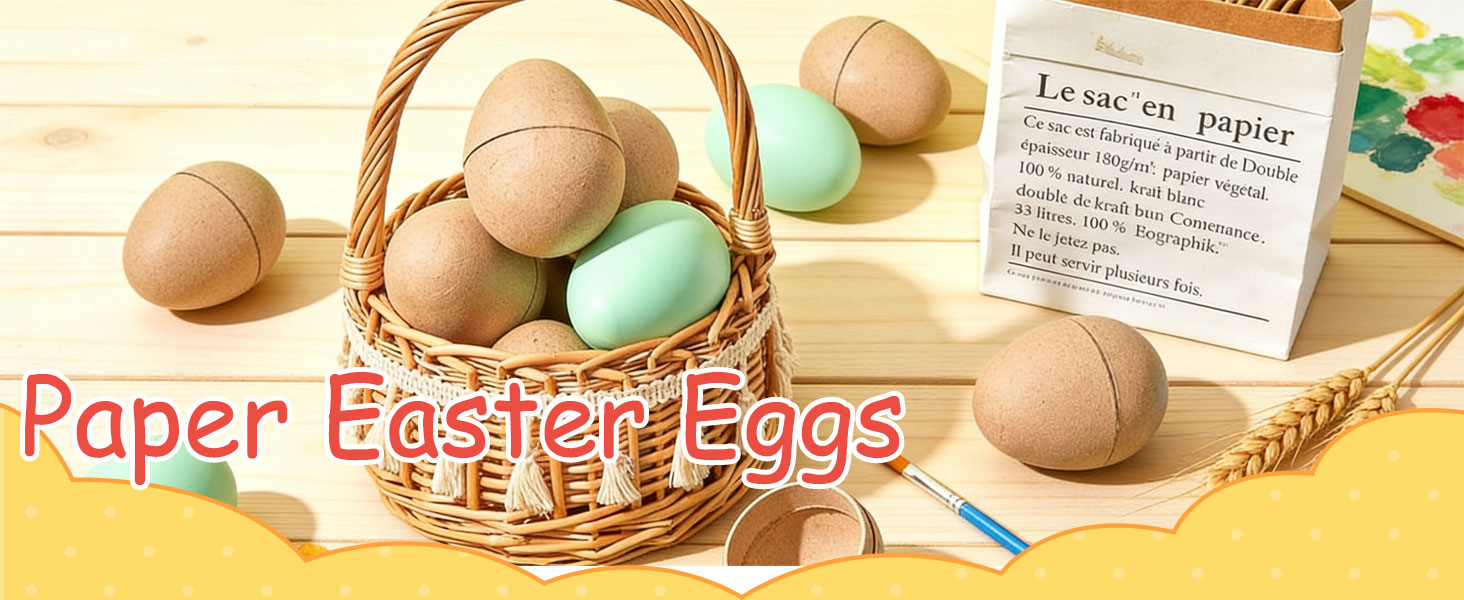
When spring arrives and Easter crafting season begins, few materials offer as much versatility and charm as paper mache eggs. These lightweight, hollow forms are the perfect starting point for painters, collagers, and mixed-media artists alike. Whether you call them paper mache eggs, Easter eggs for crafts, or paintable Easter eggs, one thing is certain: they invite creativity without the pressure of perfection. In this guide, we’ll explore why these humble eggs have become a staple in craft rooms, how to paint them like a pro, and plenty of inspiring ideas to make your Easter projects unforgettable.
Why Paper Mache Eggs Are a Crafting Favorite
Paper mache eggs strike a rare balance between durability and delicacy. Unlike real eggs, they won’t crack if you drop them (well, not easily), and unlike plastic eggs, they have a porous, organic texture that holds paint beautifully. That texture is exactly why so many crafters reach for paintable Easter eggs year after year. The surface accepts acrylics, gouache, watercolors, and even fabric dye with impressive consistency.
- Lightweight and easy to handle — perfect for small hands and detailed work.
- Hollow and ready to decorate — no blowing out eggs or messy prep work.
- Affordable in bulk — ideal for classrooms, craft fairs, and family gatherings.
- Endlessly customizable — paint, decoupage, glitter, or carve into them.
A Blank Canvas for Every Age
One of the quiet joys of paper mache eggs is how they level the creative playing field. A preschooler can swirl finger paint across the surface and produce something joyful, while a seasoned artist can spend hours layering delicate folk-art patterns. The same egg works for both. That accessibility makes Easter eggs for crafts a rare material that genuinely suits every skill level.
“I’ve used paper mache eggs with toddlers and with professional illustrators. The only difference is the amount of paint on the table.” — a craft workshop instructor
Painting Techniques for Stunning Paintable Easter Eggs
Ready to turn a plain paper mache egg into a small work of art? Start with a primer. A thin coat of gesso or white acrylic paint gives your colors a clean base and prevents the paper texture from drinking up too much pigment. Once dry, the fun begins. Here are a few techniques worth trying:
- Sponge painting: Dab a natural sea sponge in two or three spring colors and gently pounce it over the egg for a soft, speckled look.
- Masking and stripes: Use painter’s tape to create crisp lines, then peel it away while the paint is still slightly tacky for clean edges.
- Wash and glaze: Thin acrylic paint with water for a translucent wash, then seal with matte varnish for a subtle sheen.
- Detail work: Fine-tip brushes and Posca pens are perfect for adding dots, florals, and tiny geometric patterns.
A quick tip: work in thin layers rather than one thick coat. Paper mache eggs have a slightly absorbent surface, and thin layers dry faster, adhere better, and resist flaking over time.
Beyond Paint: Embellishments and Finishing Touches
Paint is only the beginning. Once your base layer is dry, consider adding dimension with other materials. Decoupage with torn tissue paper or vintage book pages creates a lovely textured collage. A dusting of fine glitter along the equator of the egg catches the light without overwhelming the design. For an elegant, grown-up look, try metallic leafing around the top and bottom openings.
- Washi tape for quick geometric patterns (seal with Mod Podge).
- Rub-on transfers for intricate designs without steady hands.
- Twine or lace wrapped and glued for a rustic, farmhouse feel.
- Pearlescent pigments mixed into varnish for a soft glow.
Paper Mache Eggs for Easter Decor and Beyond
These eggs aren’t just for one-day crafts. String a dozen painted eggs onto a garland for a spring mantel display. Nestle them in a bowl with moss and small succulents for a centerpiece that lasts all season. Larger paper mache eggs can even be turned into ornaments, place card holders, or miniature dioramas. Because they’re hollow, you can cut a small window into the side and create a tiny scene inside — a delightful project for older kids and adults.
When Easter is over, don’t pack them away in a dark box. A bowl of hand-painted paper mache eggs adds a cheerful touch to a bookshelf or entryway table well into May. Their matte, handmade quality feels warm and personal in a way that mass-produced decorations rarely do.
Final Thoughts
Paper mache eggs are more than a seasonal craft supply — they’re an invitation to slow down, experiment, and make something with your hands. Whether you’re painting with a toddler, hosting a craft night, or creating a centerpiece for your own home, paintable Easter eggs offer a forgiving, affordable, and genuinely joyful creative outlet. So gather your paints, brushes, and a few dozen paper mache eggs. The blank canvas is waiting.