Pool Pass Tags, Numbered Tags, and Pool Tags: The Complete Guide to Smarter Aquatic Access
Managing a pool is about more than clean water and a sparkling deck. It is also about knowing who belongs, who has paid, and who needs a little extra safety attention. That is where pool pass tags, numbered tags, and pool tags come in. These small but mighty tools keep your aquatic facility organized, secure, and running smoothly from opening dive to final lap.
Why Pool Tags Matter More Than You Think
A loose paper list can blow away. A sticky note can smudge. A verbal “I remember you” only works until the pool gets busy. Durable identification tags solve those problems with a simple promise: every member, guest, or daily swimmer gets a clear credential that is easy to check and hard to lose. Whether you run a homeowners association pool, a hotel resort, a municipal aquatic center, or a private swim club, the right tagging system protects revenue and reduces front-desk chaos.
From Paper Wristbands to Durable Pool Pass Tags
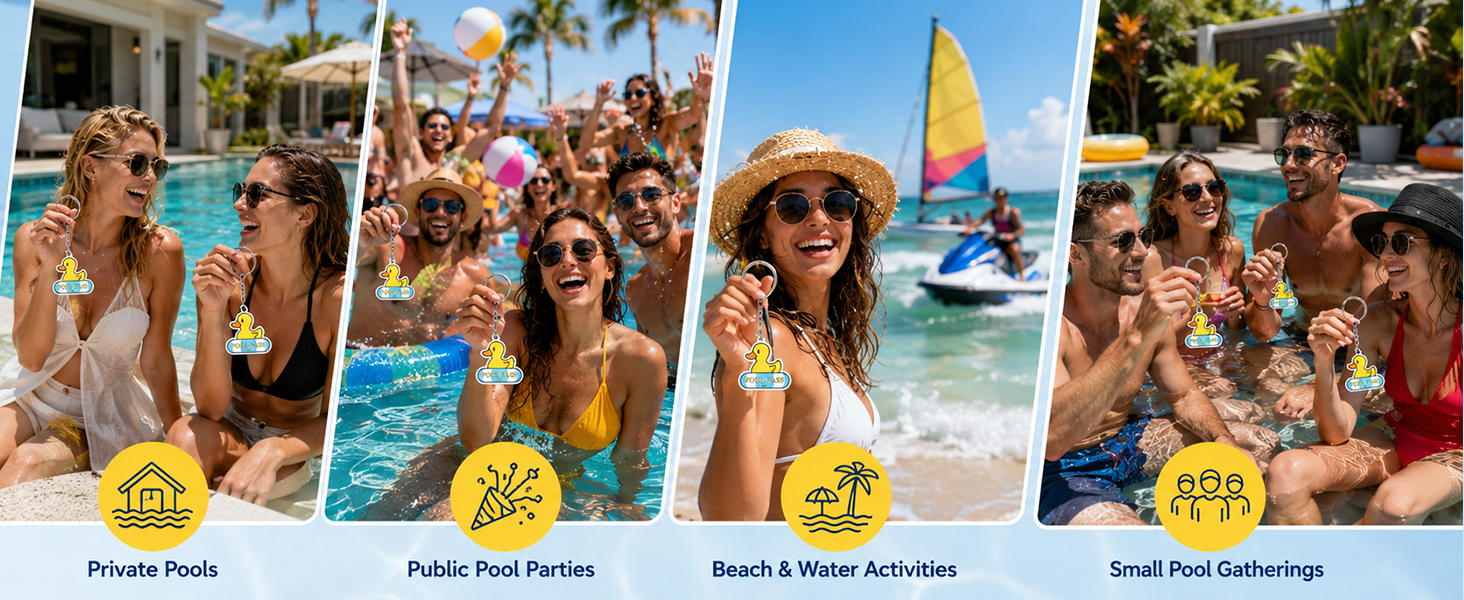
Paper wristbands are cheap, but they are also temporary. They tear, fade, and cannot be reused season after season. Pool pass tags, by contrast, are designed to survive chlorine, sunscreen, heat, and repeated handling. They can be clipped to a bag, worn on a lanyard, or kept in a wallet. For facilities that issue seasonal passes, these tags become a familiar part of the member experience.
Understanding the Three Core Categories
1. Pool Pass Tags
Pool pass tags are the primary credential for recurring access. They often include a member name, photo, barcode, QR code, or membership level. Because they represent a pass, they need to be both secure and convenient. A well-made pass tag lets staff verify membership in seconds without slowing the entry line.
2. Numbered Tags
Numbered tags are exactly what they sound like: tags printed with a unique number. They are ideal for pool lanes, lockers, towel stations, swim lesson groups, and guest passes. A number is universal. It does not require a name, a database lookup, or a long explanation. If a swimmer has tag 47, they know exactly where to go and what belongs to them.
3. Pool Tags
Pool tags is a broad term that covers any identification tag used in and around a pool. This can include access tags, luggage-style tags, locker tags, and equipment tags. The best pool tags are waterproof, fade-resistant, and comfortable enough to wear against the skin or attach to a swim bag.
“A good tag system does not just identify people. It creates a smoother, safer, and more professional pool environment.”
Materials That Survive Chlorine, Sun, and Daily Use
Not all tags are built for aquatic life. Cheap paper or low-grade plastic will curl, crack, or lose print within weeks. When you invest in pool pass tags, look for materials that can handle moisture and UV exposure.
- PVC plastic: Lightweight, waterproof, and affordable for large membership pools.
- Laminated cards: Great for photo IDs and barcodes, though they need sturdy holders.
- Silicone tags: Flexible, soft, and excellent for wristbands or lanyards.
- Anodized metal: Premium and highly durable, ideal for numbered tags and locker systems.
- Eco-friendly recycled plastic: A smart choice for community pools with green initiatives.
Numbering Systems That Keep Your Pool Organized
Numbered tags bring order to busy spaces. But the numbering method matters. A random set of numbers can confuse staff and swimmers alike. A thoughtful system makes daily operations faster and more accurate.
- Sequential numbering: Simple, predictable, and perfect for guest passes or towel tags.
- Zone-based numbering: Use prefixes like A-101 for lanes, B-201 for lockers, and C-301 for lessons.
- Color-coded numbering: Combine numbers with colors to indicate membership tiers or age groups.
- Barcode-linked numbering: Pair each number with a scannable code for digital check-in.
Customization Ideas for Pool Pass Tags
Custom tags do more than identify. They advertise your brand, communicate rules, and add a polished touch to your facility. You can print your pool logo, hours of operation, emergency contact information, or a QR code that links to schedules and rules. For member pools, a seasonal color scheme can make each year’s pass feel special. For resorts, elegant typography and muted colors can match the property’s atmosphere.
Design tip: Keep the most important information large. A member number, pass level, or expiration date should be readable from a few feet away. Decorative elements are fine, but they should never compete with the details staff need at the gate.
How to Choose the Right Pool Tags
| Need | Best Tag Type | Why It Works |
|---|---|---|
| Seasonal member access | Pool pass tags with photo or barcode | Fast verification and strong security |
| Guest entry | Numbered tags | Quick issue and easy tracking |
| Locker and towel control | Pool tags with durable loops | Withstands moisture and daily handling |
| Swim lesson groups | Color-coded numbered tags | Easy for children and instructors to see |
Installation and Management Best Practices
Once your tags arrive, a little organization goes a long way. Store unused tags in a dry, cool place. Keep a master list of issued numbers and member names. Train staff to check tags consistently without making guests feel interrogated. Replace worn tags before they become unreadable. And always keep a few blank numbered tags on hand for unexpected guests or new members.
- Use lanyards with safety breakaway clasps for children.
- Clean tags regularly with mild soap and water, not harsh solvents.
- Retire damaged tags immediately to prevent duplicate or false access.
- Offer replacement tags for a small fee to encourage responsibility.
Final Thoughts
Pool pass tags, numbered tags, and pool tags may be small, but they carry a big responsibility. They separate paying members from non-members, keep lanes and lockers organized, and give your aquatic facility a professional edge. By choosing durable materials, smart numbering, and clear customization, you can create a tagging system that works as hard as your lifeguards do. The result is a cleaner, safer, and more enjoyable pool for everyone.